Most drivers assume all towing services work the same way. You call, a truck shows up, and your vehicle gets moved. But not all tow trucks are built alike. The type of service you need depends on what you’re driving and the situation you’re in. Understanding the difference between standard towing and heavy-duty towing can save you time, money, and frustration when you need help on the road.
What Standard Towing Covers
Standard towing is what most people think of when they picture a tow truck. It’s designed for smaller vehicles and everyday roadside situations. This type of service handles:
- Passenger cars and sedans
- SUVs and minivans
- Light trucks and pickups
- Vehicles involved in minor accidents
- Breakdowns on highways or city streets
Standard tow trucks are equipped to move lighter loads safely. They work well for flat tires, dead batteries, lockouts, and other common issues. If you drive a typical personal vehicle, this is likely the towing service Spokane drivers will need most often.
What Heavy-Duty Towing Is Designed For
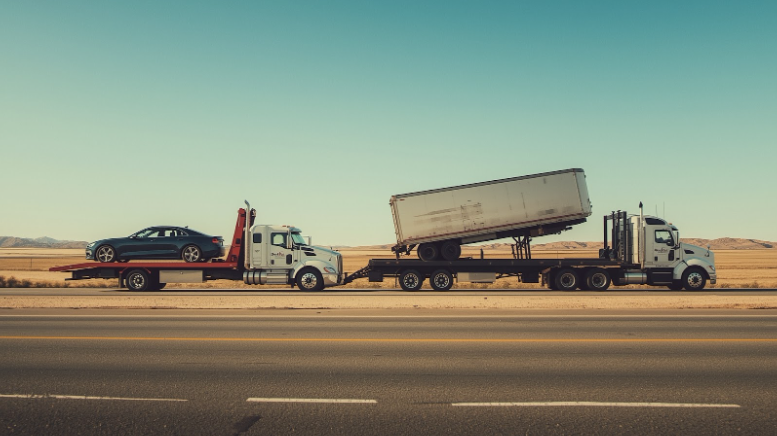
Heavy-duty towing is a specialised service built for larger, heavier vehicles and more complex recovery situations. This includes commercial trucks, buses, RVs, construction equipment, and agricultural machinery. Heavy-duty tow trucks use stronger winches, larger beds, and reinforced frames to handle the extra weight and size.
This service also covers heavy machinery hauling for job sites, farms, and warehouses. Whether it’s a tractor, excavator, or oversized load, heavy-duty operators have the tools and training to move it safely. These trucks are also used in serious accidents, rollovers, and situations where a vehicle is stuck in a ditch or off-road area. For businesses and contractors, reliable towing service means having access to equipment that can handle the job without causing further damage.
Key Differences Between Heavy-Duty and Standard Towing
The main distinctions come down to capacity, equipment, and expertise. Here’s what sets them apart:
- Vehicle size and weight: Standard towing handles up to around 10,000 pounds. Heavy-duty towing can manage vehicles weighing 17,000 pounds or more.
- Equipment required: Standard trucks use flatbeds or wheel lifts. Heavy-duty trucks use rotators, heavy winches, and air cushion systems.
- Driver training: Heavy-duty operators are trained in advanced recovery techniques and safety protocols.
- Recovery complexity: Standard towing is straightforward. Heavy-duty towing often involves multi-step recoveries in challenging conditions.
Choosing the wrong service can lead to delays, additional costs, or even damage to your vehicle or equipment.
How to Know Which Service You Need
If you’re driving a car, SUV, or light truck, standard towing will likely cover your needs. But if you’re operating a commercial vehicle, transporting heavy equipment, or dealing with a serious accident, you’ll need heavy-duty roadside assistance. Weight matters, but so does the situation. A vehicle stuck in mud or overturned on a slope requires specialised recovery tools. When in doubt, describe your vehicle and situation to the dispatch team. They’ll help you determine the right service.
When You Need the Right Equipment, It Matters
Knowing the difference between heavy-duty and standard towing helps you get the right help fast. Whether you’re dealing with a flat tire or a rollover involving heavy equipment, the right service makes all the difference.If you’re unsure which option fits your needs, you can learn more about recovery options and get in touch.